Test Site
Back to Test Site

AP Biology: A Beginner's Primer

A ground-up introduction to the biology concepts that show up on the AP exam — from why water keeps you alive to how your DNA becomes a working protein.

Updated May 17, 2026

About this course

Most students hit AP Biology and feel like they missed a prerequisite nobody told them about. The concepts aren't impossibly hard, but they arrive fast, they build on each other, and if the foundation isn't solid, everything after it gets harder. This course is that foundation. You'll start with chemistry — not because it's on a checklist, but because you can't make sense of cells without understanding what molecules are doing inside them. From there you'll move into cell structure, membrane transport, and then genetics: how DNA stores information, how that information becomes a protein, and how traits pass from parents to offspring. Each unit assumes you've understood the one before it, so the order matters. By the end, you won't just have definitions memorized. You'll be able to look at a concentration gradient and predict what a molecule will do. You'll be able to read a Punnett square and explain what the ratios actually mean. That kind of working knowledge — where you can apply a concept, not just recognize it — is what AP Biology actually tests, and it's what this course is built to give you.

Details

Last updated May 17, 2026
3 Units, 6 lessons
3 Assessments

Skills you'll gain with this course

Molecular Reasoning

Given a molecule or biological scenario, explain what's happening at the chemical level and why.

Cell Structure Identification

Name the major organelles in a eukaryotic cell and explain the specific job each one does.

Membrane Transport Prediction

Look at a concentration gradient or tonicity scenario and determine which direction molecules will move and by what mechanism.

Tracing the Central Dogma

Follow the path from a DNA sequence through transcription and translation to a finished protein, naming where each step happens.

Punnett Square Analysis

Set up a monohybrid cross, work out the genotype and phenotype ratios, and explain what those ratios mean in plain terms.

Syllabus

3 Units • 6 Lessons • 3 Assessments

Ways To Learn Included

Every lesson enables you to learn in a variety of ways.

3 min read
587 words

These gases, such as carbon dioxide and methane, play a crucial role in regulating Earth's temperature. But what exactly are they, and how do they work? Let's find out.
Read
Carbon Dioxide
Flashcards
Quiz
What is the primary greenhouse gas responsible for trapping heat?
Carbon Dioxide
Locked In
Great job! That's the correct answer.
Quiz
The earth's atmosphere is composed
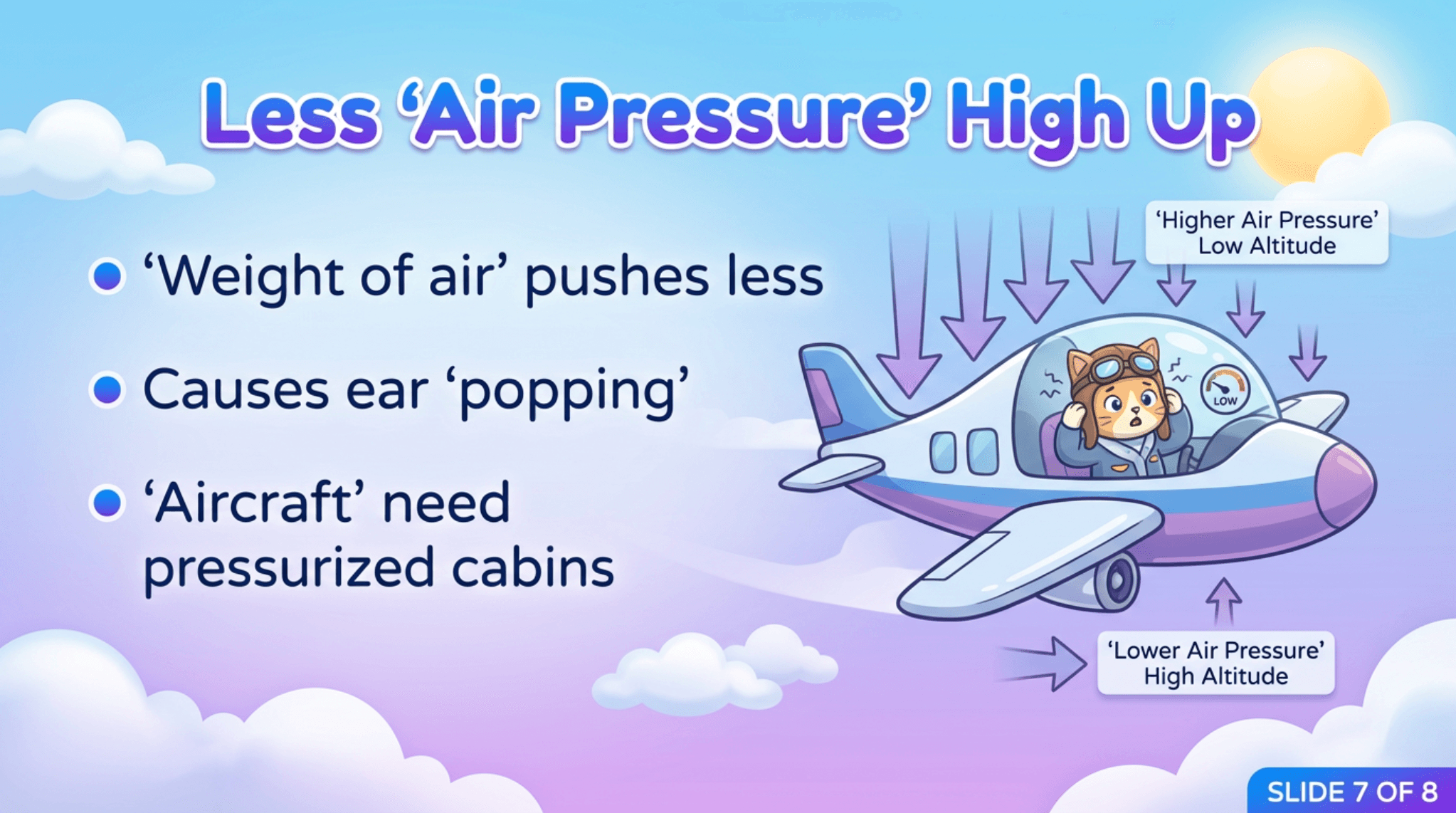
Lecture
Listen: Greenhouse gases explained
Podcast
Chat
0:05
Jam
Arcade
Video
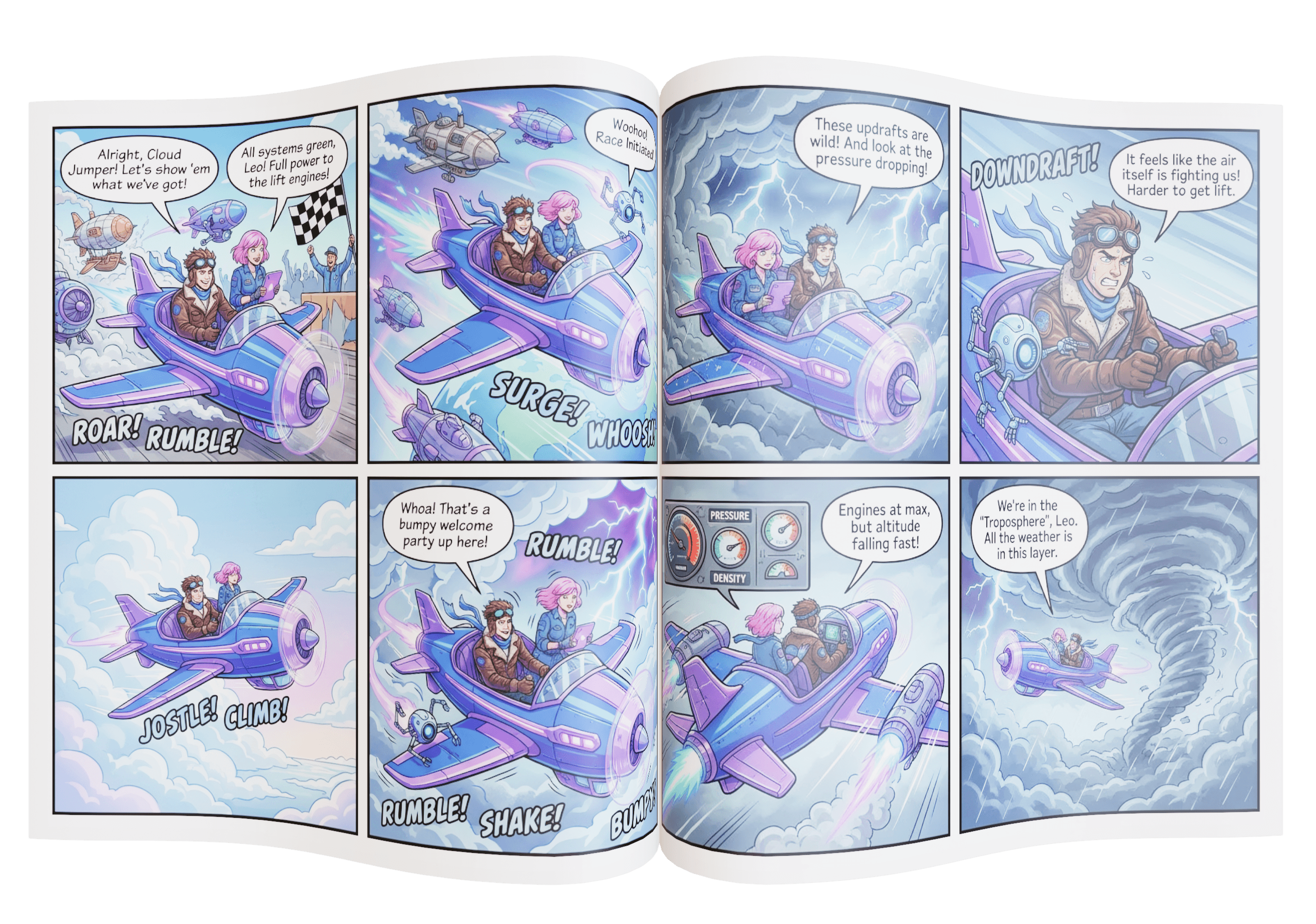
Comic

FAQ

Course thumbnail